When Christianity Becomes Healing
Shattered & Sanctified | Part 3 of 3

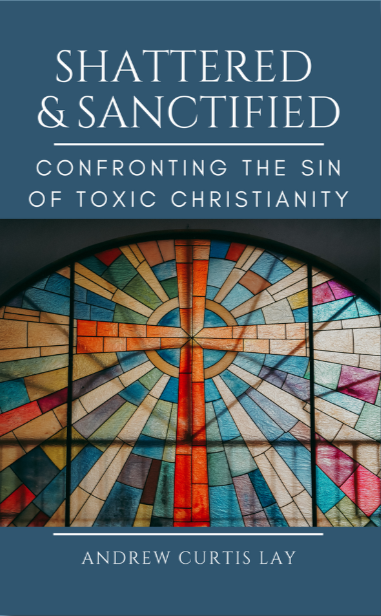
Last year, I published a book called Shattered and Sanctified: Confronting the Sin of Toxic Christianity. In the first two posts of this series, I shared excerpts from the book, exploring what toxic Christianity looks like and what it means to become more like Christ. Today, I'd like to continue the conversation. If we recognize the problem and long to reflect the love of Jesus more faithfully, where do we go from here? How can we help create churches that are places of healing rather than harm?
Toxic Christianity is something that many of us can relate to in our own lives. And sadly, the truth is… Whether you are a longtime churchgoer or you rarely ever come to church, just about everybody has had a negative experience with the church or with someone who claims to be a Christian. Inevitably, someone in the church has shamed you, guilted you, or judged you. If you are still a part of the church, it can be difficult to navigate some of that church trauma. In addition, you may have friends or family who have left the church because of religious trauma. This post will address the question: What are some things that we can do to help those who are struggling with Religious trauma?
Let us first turn to the wisdom of John Wesley and his Three Simple Rules
Do No Harm. Do Good. And Stay in Love With God.
John Wesley’s first rule is, “Do No Harm.” This rule can prevent us from damaging and doing harm to ourselves and to others. It can prevent us front offering a word that we might regret later. It can prevent us from spreading rumors – especially ones that might damage someone’s reputation. It can prevent us from physically, emotionally, spiritually, or financially harming ourselves and others. And I think this rule can even prevent us from damaging our relationship with God.
John Wesley’s second rule is “Do Good.” I think this second rule takes us to the next step. It is one thing to Do No Harm, but we can’t stop there. This next rule calls us to go a step further and to actively Do Good. We don’t wait around for good to be done to us. But we are to go out and actively seek ways of doing good for others.
John’s Wesley’s third rule is to “Stay in Love with God.” John Wesley’s purpose of this rule was to describe the practices that keep a relationship between God and humans vital, alive, and growing. John was essentially telling his Methodist Societies to be involved in public worship, holy communion, prayer, Scripture reading, Bible Study, and fasting. These are the essential practices to living a faithful life.
Seven Ways We Can Help Those Experiencing Church Trauma
Listen without defensiveness
Sometimes people need compassion more than correction. Listening communicates care and dignity.Acknowledge the hurt
We should not minimize or dismiss painful experiences. Honest acknowledgment can be deeply healing.Separate Jesus from harmful behavior
Part of healing is helping people rediscover that toxic actions by Christians do not reflect the character of Christ.Create safe spaces for questions
Healthy faith should make room for doubt, curiosity, and honest conversation.Lead with grace instead of shame
Shame often wounds people more deeply. Grace creates room for healing and transformation.Encourage healthy boundaries and support
Counseling, spiritual direction, trusted friendships, and boundaries can all be important parts of recovery.Model authentic Christianity
People are often drawn back toward faith not by arguments, but by witnessing humility, kindness, compassion, and genuine love in others.